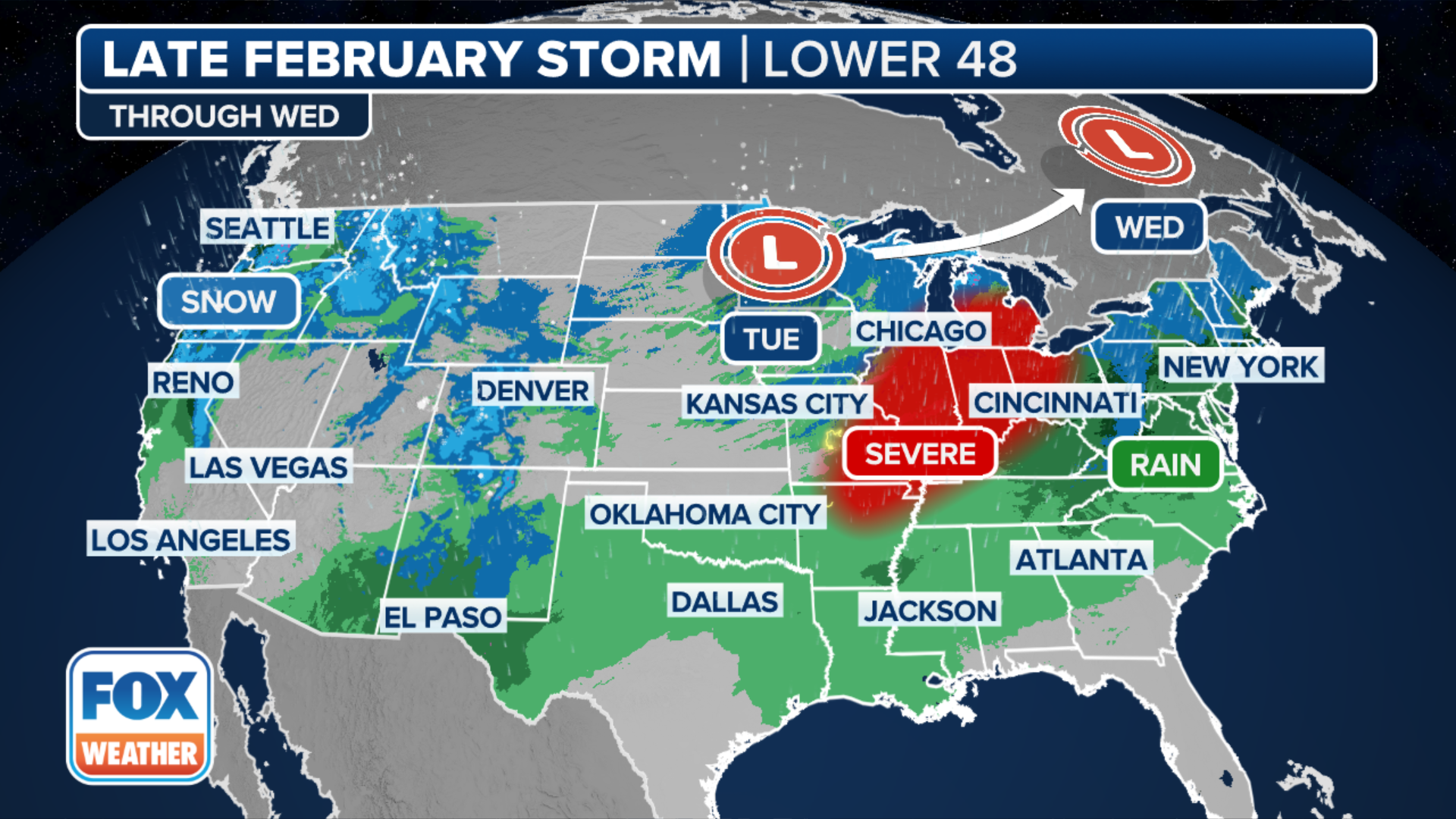
RALEIGH, N.C. (WECT) – North Carolina is bracing for a significant and exceptionally rare severe weather event, prompting a statewide warning and the activation of emergency response teams. The National Weather Service (NWS) has issued a Level 4 out of 5 Moderate Risk for severe weather across substantial portions of the state, a designation that underscores the seriousness of the impending threat. This heightened alert signifies a considerable chance of widespread severe thunderstorms, capable of producing a variety of dangerous phenomena.
The WECT First Alert Weather Team has identified the primary hazards associated with this storm system. Residents must be prepared for the possibility of damaging wind gusts, which can reach speeds capable of downing trees, power lines, and causing extensive structural damage. Large hail, potentially golf ball-sized or larger, is also a significant concern, posing a threat to property and individuals caught outdoors. Perhaps the most alarming aspect of this forecast is the "potential for tornadoes." While a Level 4 Moderate Risk doesn’t guarantee tornadoes, it indicates conditions are favorable for their formation, and the possibility of these violent rotating columns of air cannot be ignored.

In anticipation of these severe weather impacts, North Carolina Emergency Management took proactive steps. On Sunday, March 15, the agency officially activated State Emergency Response Team (SERT) personnel and resources. This activation signifies a coordinated effort to prepare for and respond to the anticipated damage and disruptions the severe weather may cause on Monday, March 16. The deployment of these resources is crucial for ensuring a swift and effective response should widespread damage occur.

NC Emergency Management Director Will Ray emphasized the unusual nature of this threat. "While North Carolina is no stranger to severe weather, the introduction of a Level 4 out of 5 moderate threat is very rare in our state," Ray stated. He further stressed the critical importance of preparedness, urging, "It is imperative that all North Carolinians have a plan to protect themselves and their families and stay informed to take action when necessary." This statement highlights the elevated level of concern among state officials and underscores the need for residents to take the warnings seriously.
Governor Josh Stein echoed these sentiments, imploring citizens to take immediate action to safeguard themselves and their loved ones. "Please make sure emergency alerts are enabled on your phone and make a plan for how to keep yourself and your family safe," Governor Stein advised. His directive is a clear call to action, encouraging proactive measures rather than reactive responses. The availability and utilization of emergency alerts are paramount for timely notification of imminent threats, such as tornado warnings or severe thunderstorm watches.
The severity of the severe weather risk is not uniform across the entire state. Officials have indicated that the risk varies geographically, meaning some areas will face a higher probability of experiencing severe weather than others. This nuanced approach to risk assessment allows for more targeted preparedness efforts and resource allocation. Residents are strongly encouraged to consult their local forecasts and advisement from the NWS and local emergency management agencies to understand the specific threats in their immediate vicinity.
Understanding the Threat Levels: A Deeper Dive into NWS Risk Categories
The National Weather Service categorizes severe weather risks on a scale from 1 to 5 to communicate the potential for significant and widespread hazardous weather. Understanding these categories is crucial for effective preparedness.
- Level 1 (Marginal Risk): This designation indicates that isolated severe thunderstorms are possible. The threats are generally limited to isolated damaging wind gusts or a brief, weak tornado. While not the highest threat level, caution is still advised.
- Level 2 (Slight Risk): This level suggests a greater chance of organized severe thunderstorms, with a potential for more numerous and/or significant severe events. Damaging winds, large hail, and a few tornadoes are possible.
- Level 3 (Enhanced Risk): This signifies a higher likelihood of widespread severe thunderstorms, with the potential for multiple severe events. Damaging winds, large hail, and tornadoes are more probable, and some tornadoes could be strong.
- Level 4 (Moderate Risk): This is the category North Carolina is currently facing. A Moderate Risk indicates that severe thunderstorms are expected to be widespread and potentially intense. There is a significant threat of widespread damaging winds, large hail, and numerous tornadoes, some of which could be strong to violent. This is the level where significant and potentially widespread impacts are most likely.
- Level 5 (High Risk): This is the most severe category, reserved for situations where widespread and long-lived severe weather, including multiple strong to violent tornadoes and/or widespread damaging wind events, is highly likely. These events can cause catastrophic damage.
The issuance of a Level 4 Moderate Risk for North Carolina is a stark reminder that complacency is not an option. The state has a history of experiencing severe weather, but the "very rare" nature of this particular threat level demands heightened vigilance and preparedness from every resident.
Essential Preparedness Measures: Actionable Steps for Residents
In light of the elevated threat, officials are providing clear guidance on preparedness measures. A fundamental aspect of this guidance is the development of a personal and family safety plan. This plan should clearly outline where individuals will take shelter during a tornado warning. Identifying a safe room, basement, or an interior room on the lowest floor of a sturdy building away from windows is paramount. Practicing this plan, especially with children, can significantly reduce panic and ensure swift action when a warning is issued.
Enabling emergency alerts on cell phones is another critical recommendation. These alerts, often delivered via the Wireless Emergency Alerts (WEA) system, provide immediate notifications of dangerous weather conditions. It is vital to ensure these alerts are activated and that notification sounds are audible.
Continuous monitoring of local news outlets and official updates from the National Weather Service (NWS) and local emergency management offices is also strongly advised. These sources provide real-time information on watches, warnings, and the evolving nature of the storm. Social media channels of reputable news organizations and emergency management agencies can also be valuable sources of information, but it is essential to rely on official and verified sources to avoid misinformation.
For comprehensive guidance on how to prepare for severe weather, residents are directed to visit the official state resource at readync.gov. This website offers detailed information on various aspects of disaster preparedness, including creating emergency kits, evacuation plans, and specific advice for different types of hazards.
The proactive activation of state resources, coupled with the urgent warnings from state officials, underscores the gravity of the situation. North Carolinians are urged to heed these warnings, take preparedness measures seriously, and stay informed throughout the duration of this rare and potentially dangerous severe weather event. The collective effort of officials and residents in preparedness and response will be key to mitigating the impact of this significant weather threat.
Copyright 2026 WECT. All rights reserved.